


Driving Sustainable Growth with Purpose and Responsibility
At QTC, sustainability is not just a goal—it’s a way of doing business with integrity, care, and long-term vision. Our Sustainability Framework integrates the company’s core value, “Quality of Details,” into every aspect of our operations, guided by the equation:
Q + R = S (Quality + Responsibility = Sustainability)
We believe that delivering excellence with attention to detail, combined with a deep sense of responsibility to all stakeholders, is the foundation for building a resilient and sustainable organization. This belief drives us to grow not only as a business, but as a responsible member of the global community.
Our framework is more than a management tool—it’s a mindset. It empowers every QTC employee to understand that:
“Doing good with quality and responsibility”
leads to trust, satisfaction, and long-term value for people, society, and the environment.
QTC is committed to balanced growth—standing side by side with communities and ecosystems—driven by the determination to leave a better world for future generations.
E : Environmental
Environmentally friendly production process
การจัดการของเสีย
QTC Energy Public Company Limited places great importance on the systematic and responsible management of waste generated from industrial production processes. This commitment aims to prevent environmental impacts and support the company’s sustainable business operations, in alignment with the United Nations Sustainable Development Goals (SDGs), particularly SDG 9, SDG 12, SDG 13, and SDG 15.
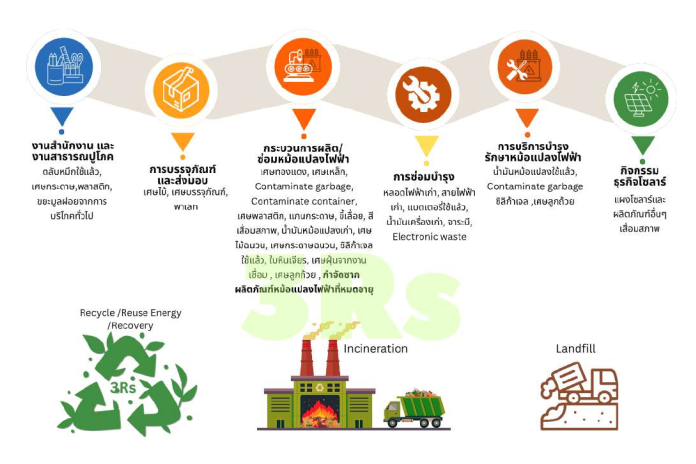
Waste from production processes can be categorized into two main types:
1. Hazardous waste, such as chemical residues, used lubricants, batteries, and toxic solvents. If not properly managed, these materials pose risks to the environment and terrestrial ecosystems (SDG 15).
2. Non-hazardous waste, including paper scraps, plastics, and metal fragments. Although not directly toxic, excessive accumulation can lead to soil and water contamination, affecting biodiversity and long-term ecological balance.
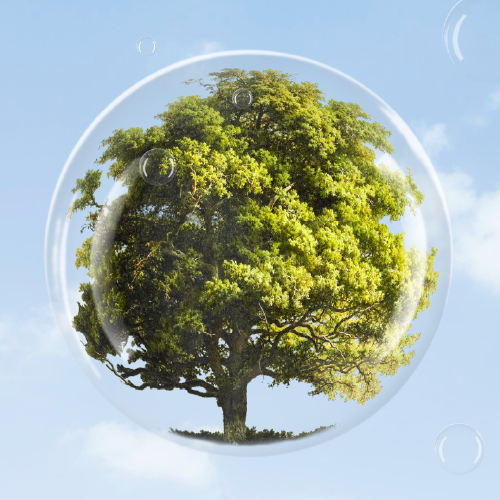
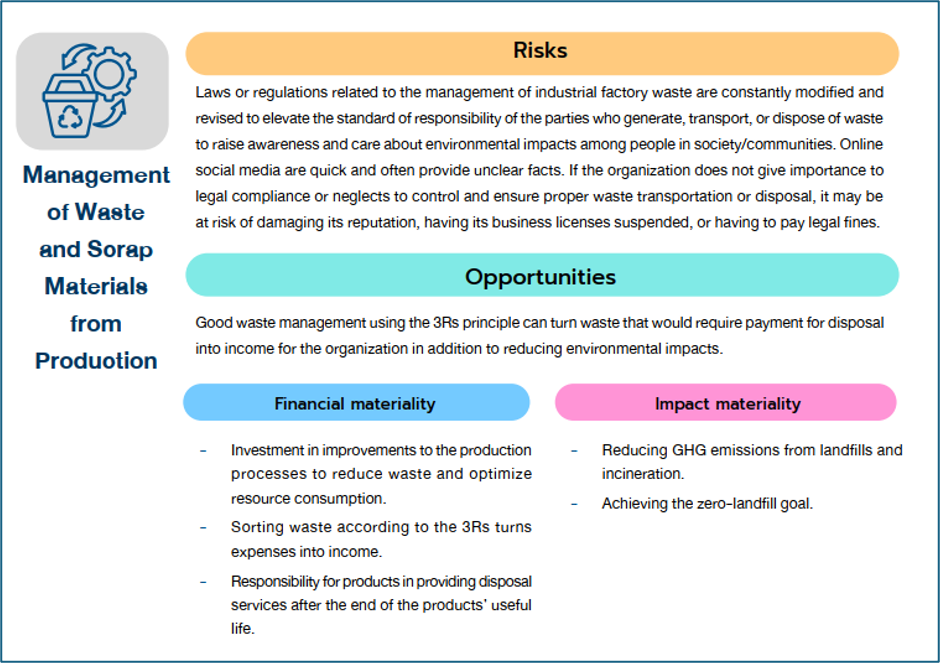
Improper waste management may result in reputational damage, legal actions from surrounding communities, and penalties from regulatory authorities. It can also compromise workplace safety and reduce production efficiency.
To address these challenges, QTC ENERGY strictly adheres to relevant legal frameworks and implements waste management practices based on the 3Rs principle:
• Reduce: Minimizing resource usage or using only what is necessary
• Reuse: Reusing materials to extend their lifecycle
• Recycle: Processing materials for new uses
This approach promotes efficient resource utilization, minimizes waste generation, and mitigates environmental impacts. It reflects QTC ENERGY’s commitment to sustainable development by fostering modern, environmentally friendly industrial practices (SDG 9) and contributing to the conservation of natural ecosystems (SDG 15), while also supporting responsible production and climate action (SDG 12 and SDG 13).
แนวทางการบริหารจัดการ
วัตถุประสงค์ :
การบริหารจัดการ :
กลยุทธ์ :
กระบวนการคัดแยกและกำจัดของเสีย (ขยะ)
ปริมาณของเสียประเภทที่อันตรายที่เกิดขึ้นในกระบวันการผู้ผลิต (ton) / หน่วยผู้ผลิต (tons of production) ไม่เกินปีฐาน 2565 (ไม่เกิน 0.01 ton/tons of production)
ตัวชี้วัดและเป้าหมาย
การใช้ทรัพยากรอย่างยั่งยืน
QTC Energy: มุ่งสู่การใช้ทรัพยากรอย่างยั่งยืนเพื่ออนาคตที่ดีของทุกคน
บริษัท คิวทีซี เอนเนอร์ยี่ จำกัด (มหาชน) ตระหนักดีว่าทรัพยากรธรรมชาติคือรากฐานสำคัญของการพัฒนาเศรษฐกิจและสังคม การใช้ทรัพยากรอย่างมีประสิทธิภาพและรับผิดชอบจึงไม่ใช่เพียงทางเลือก แต่เป็นพันธกิจที่ เรายึดมั่นในการสร้างสมดุลระหว่างการเติบโตทางธุรกิจและการดูแลโลกใบนี้ สอดคล้องกับเป้าหมายการพัฒนาอย่างยั่งยืน SDGs 9, 12 และ 13 เพื่อสร้างอุตสาหกรรมที่ทันสมัย ใช้ทรัพยากรอย่างคุ้มค่า และลดผลกระทบต่อสิ่งแวดล้อมและสังคม
กลยุทธ์หลักในการดำเนินงาน
- พลังงานไฟฟ้า: ปรับปรุงกระบวนการผลิตเพื่อลดการใช้พลังงานไฟฟ้า และพัฒนาเทคโนโลยีหม้อแปลงไฟฟ้าประสิทธิภาพสูง เพื่อลดการสูญเสียพลังงานสร้างคุณค่าเพิ่มให้แก่ลูกค้า
- น้ำมันเชื้อเพลิง: ลดการใช้น้ำมันเชื้อเพลิงในกระบวนการทางธุรกิจ พร้อมส่งเสริมการใช้ยานยนต์จากพลังงานสะอาด
- การใช้น้ำ: ควบคุมการใช้น้ำอย่างมีประสิทธิภาพ และควบคุมคุณภาพน้ำเสียตามมาตรฐานสิ่งแวดล้อม
- วัตถุดิบเพื่อการผลิต: บริหารจัดการด้วยแนวคิด 3Rs (Reduce, Reuse, Recycle) เพื่อให้เกิดประโยชน์สูงสุด และพัฒนาเทคโนโลยีการผลิตเพื่อควบคุมปริมาณการใช้วัตถุดิบต่อหน่วยผลิตอย่างมีประสิทธิภาพ
แนวทางการบริหารจัดการ
วัตถุประสงค์ :
การบริหารจัดการ :
ตัวชี้วัดและเป้าหมาย
ผลการดำเนินงาน :
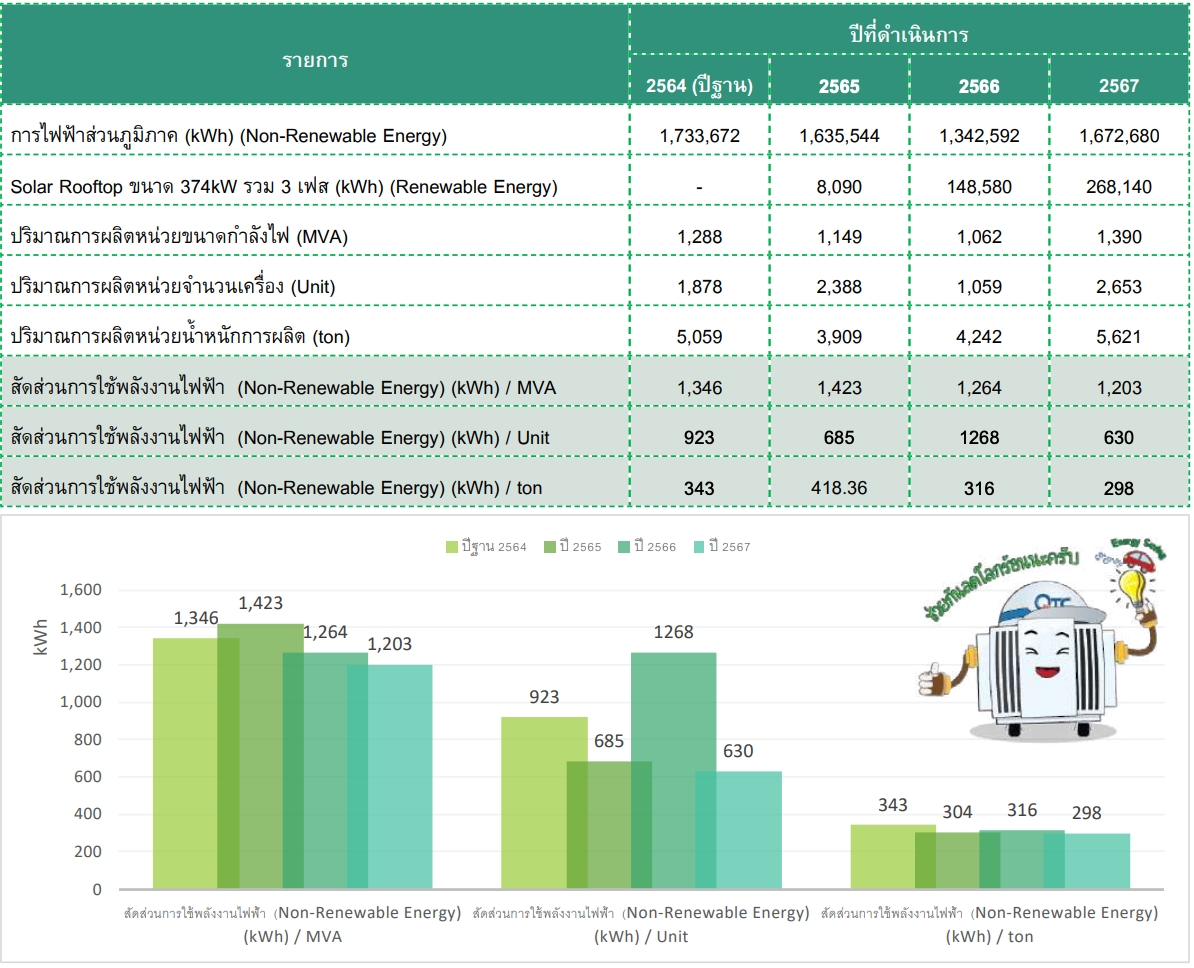
สัดส่วนการใช้พลังงานไฟฟ้า Non-Renewable Energy ในกระบวนการผลิตต่อหน่วยผลิต
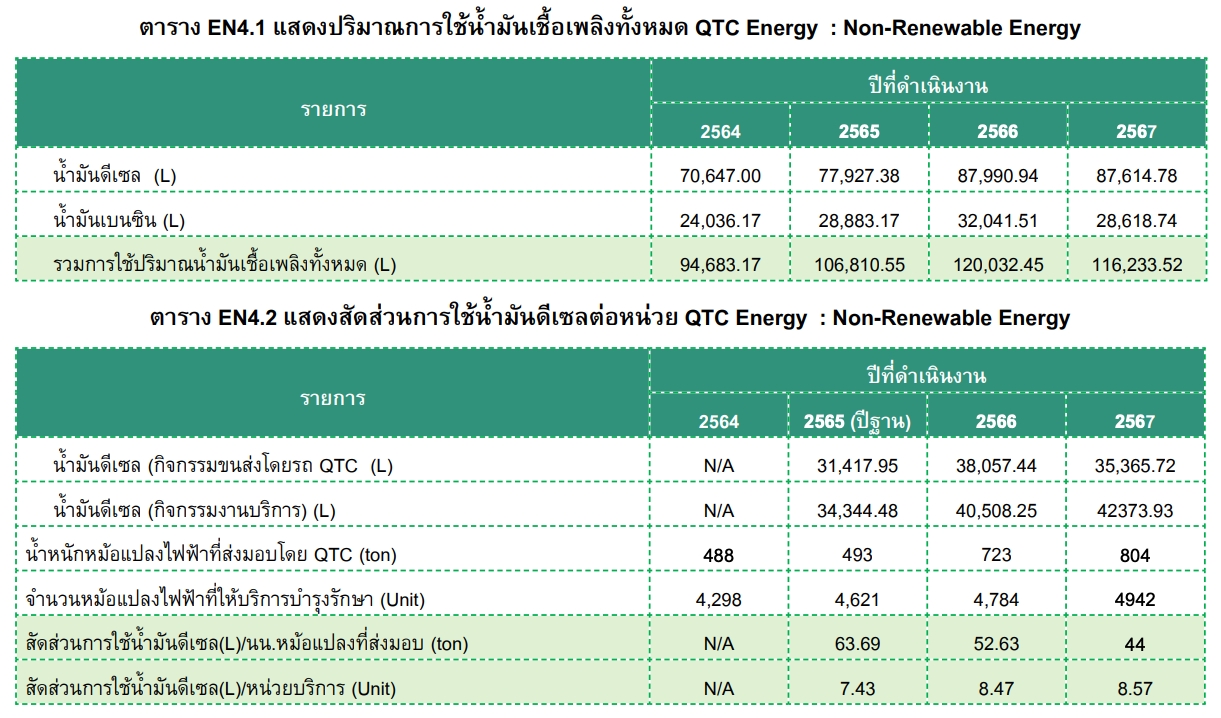
สัดส่วนการใช้น้ำมันดีเซลในกิจกรรมการขนส่งสินค้า
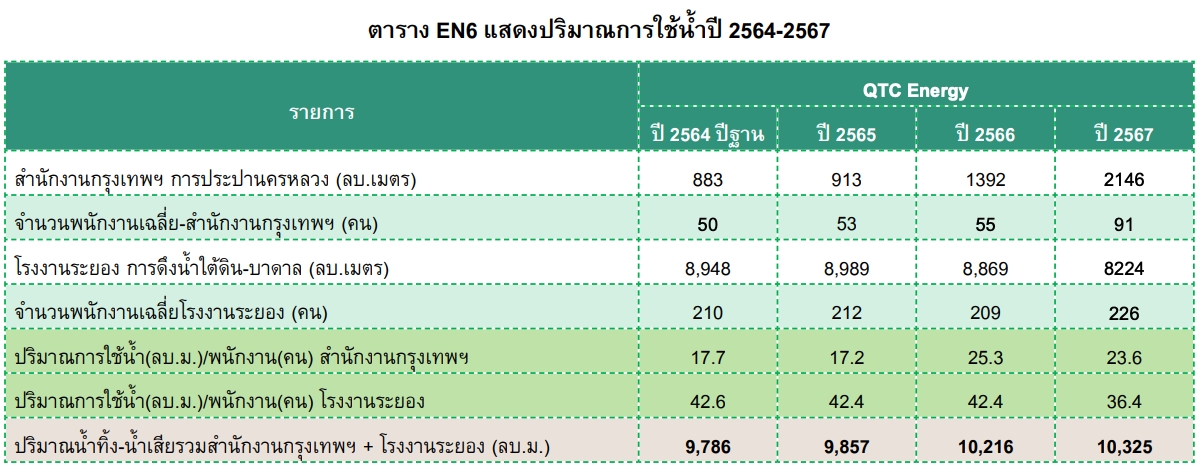
สัดส่วนการใช้น้ำบาดาลเพื่อการอุปโภคในพื้นที่โรงงานจังหวัดระยอง