


ENVIRONMENTAL MATERIAL TOPICS
Environmentally Friendly Production Processes and Products
Management of Waste and Scrap Materialsfrom Production
Sustainable Use of Resources
Climate Change
Environmental Commitment
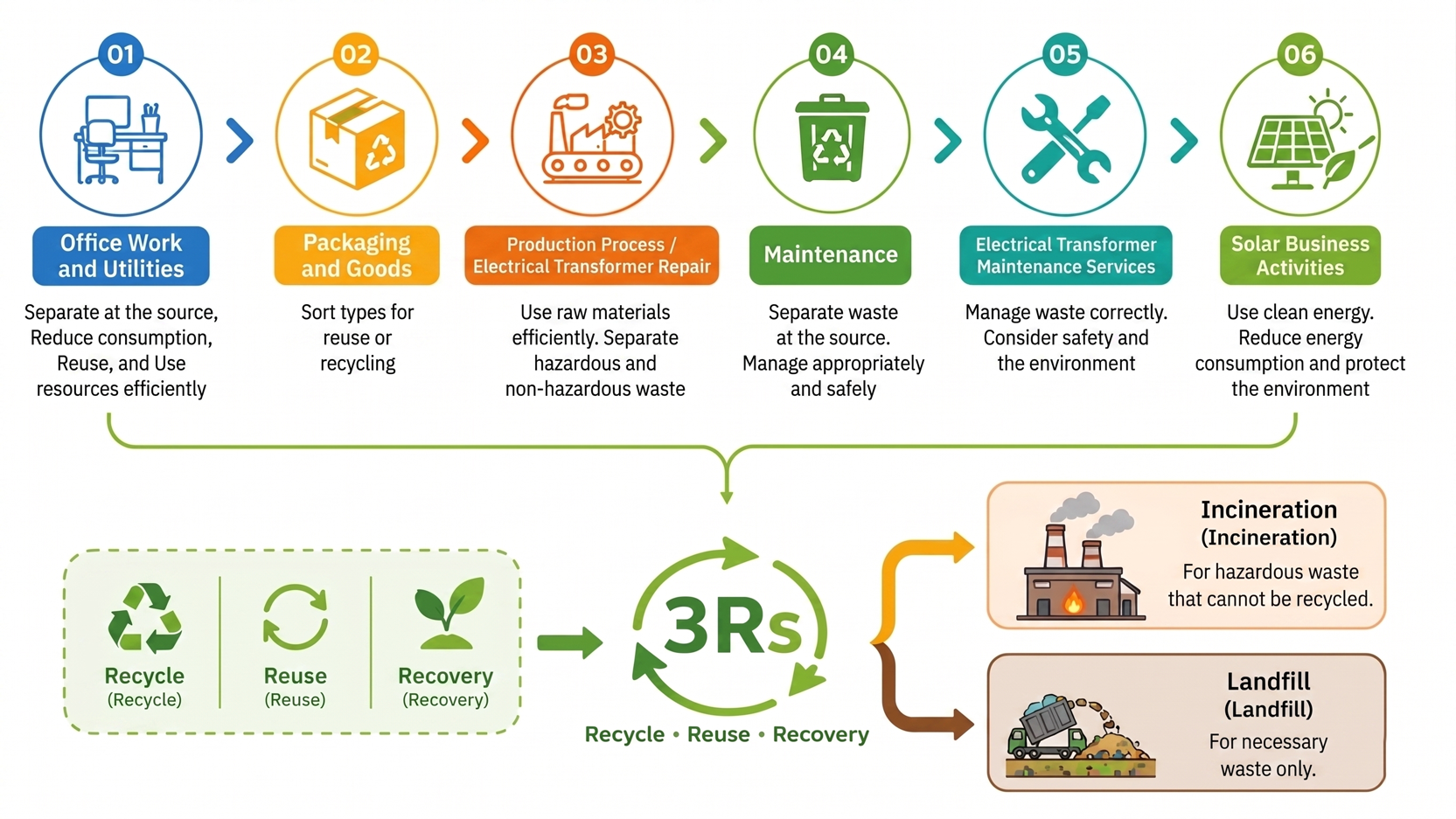
QTC Energy Public Company Limited is committed to conducting its business in parallel with environmental responsibility under the framework of sustainable development. The Company recognizes that business growth must go hand in hand with the stewardship of natural resources and effective responses to climate change. It places strong emphasis on minimizing environmental impacts throughout the entire value chain—from manufacturing processes, efficient use of energy and resources, and waste management in accordance with the 3Rs principle, to pollution prevention and the conservation of biodiversity.
In addition, the Company promotes the participation of employees, business partners, and all stakeholder groups in fostering a green organizational culture. Through continuous communication and the cultivation of environmental awareness, the Company seeks to jointly create economic value while caring for society and the environment, ultimately leading to stable and sustainable long-term growth.

QTC Energy Public Company Limited places importance on conducting its business in parallel with environmental stewardship, as well as ensuring the safety and well-being of stakeholders throughout the value chain. The company is committed to developing efficient industrial operations and production processes by applying innovations and technologies to reduce energy consumption, waste, and environmental impacts. It also promotes the reduction of greenhouse gas emissions and the systematic conservation of natural resources, under environmental governance that complies with relevant standards and regulations. In addition, the company engages with stakeholders to create a balance between business growth, society, and the environment in a sustainable manner.

Risk, Opportunity, and Impact Assessment
Environmental Management System
The Company is committed to conducting its business alongside environmental responsibility by applying the ISO 14001:2015 Environmental Management System as a framework for the systematic governance and continuous improvement of its operations. This includes the identification and management of material environmental issues, as well as related risks and opportunities throughout the value chain.
Certificates

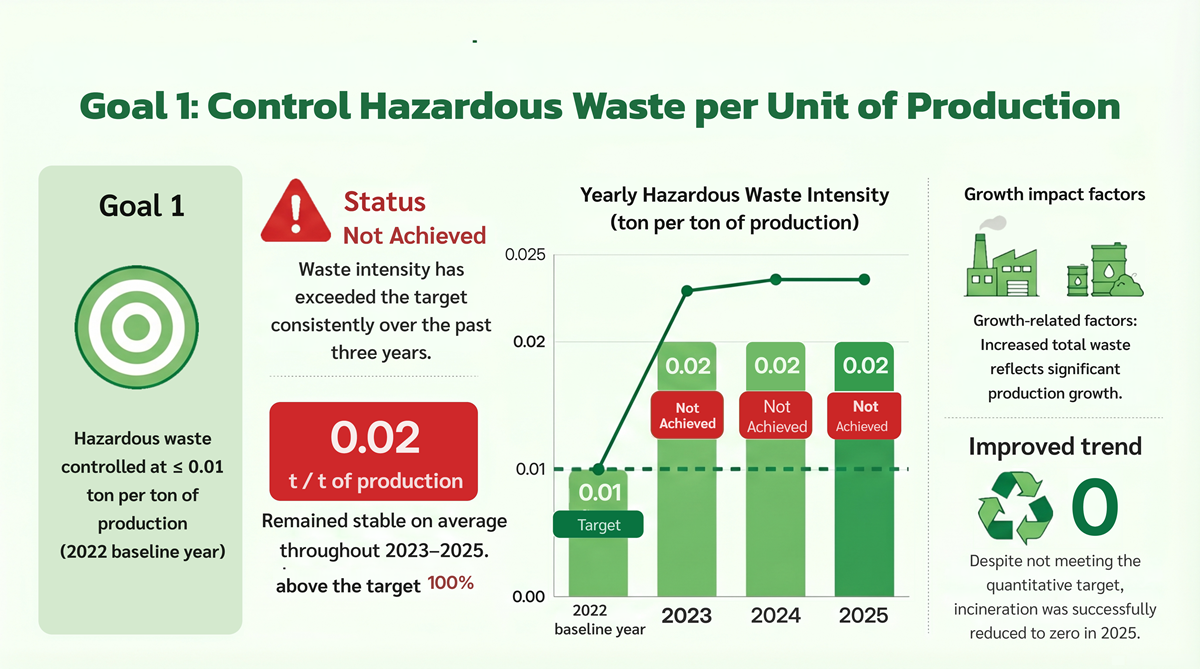
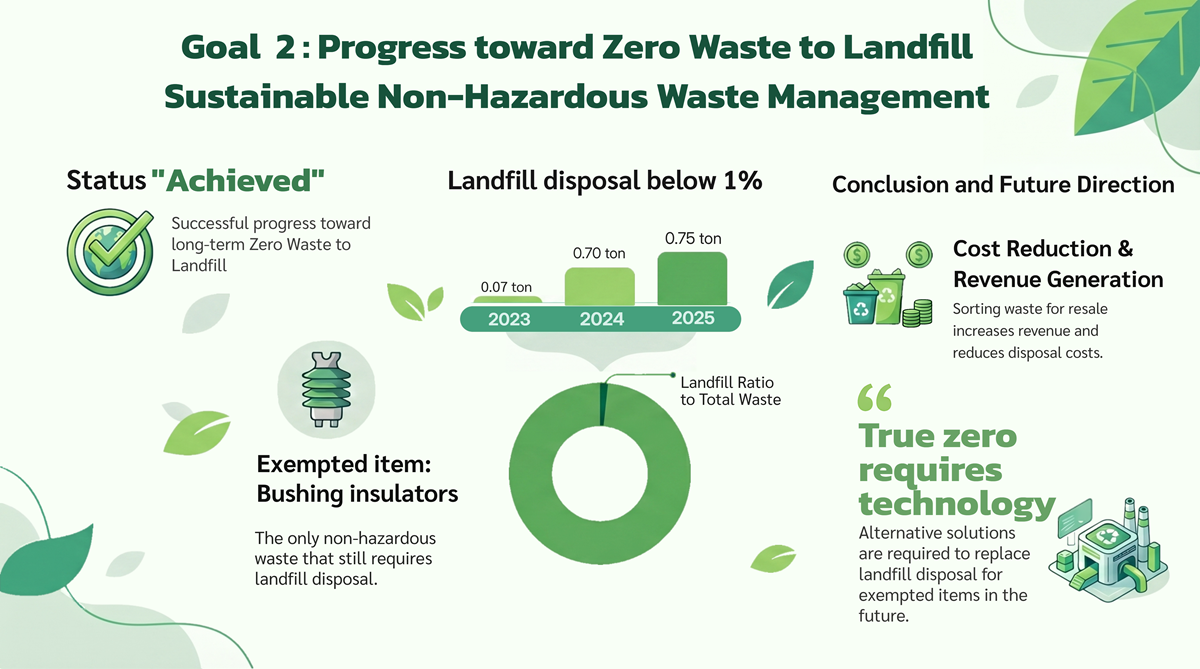
The Company places importance on the systematic management of waste and production residues under the regulatory framework of the Department of Industrial Works and other applicable standards. Clear policies and governance processes have been established, covering the monitoring, measurement, and continuous review of performance. The Company also reports relevant information to government authorities and discloses information to stakeholders in a transparent manner, reflecting its commitment to good corporate governance and responsibility toward society and the environment.
Risk, Opportunity, and Impact Assessment
Waste Segregation and Management

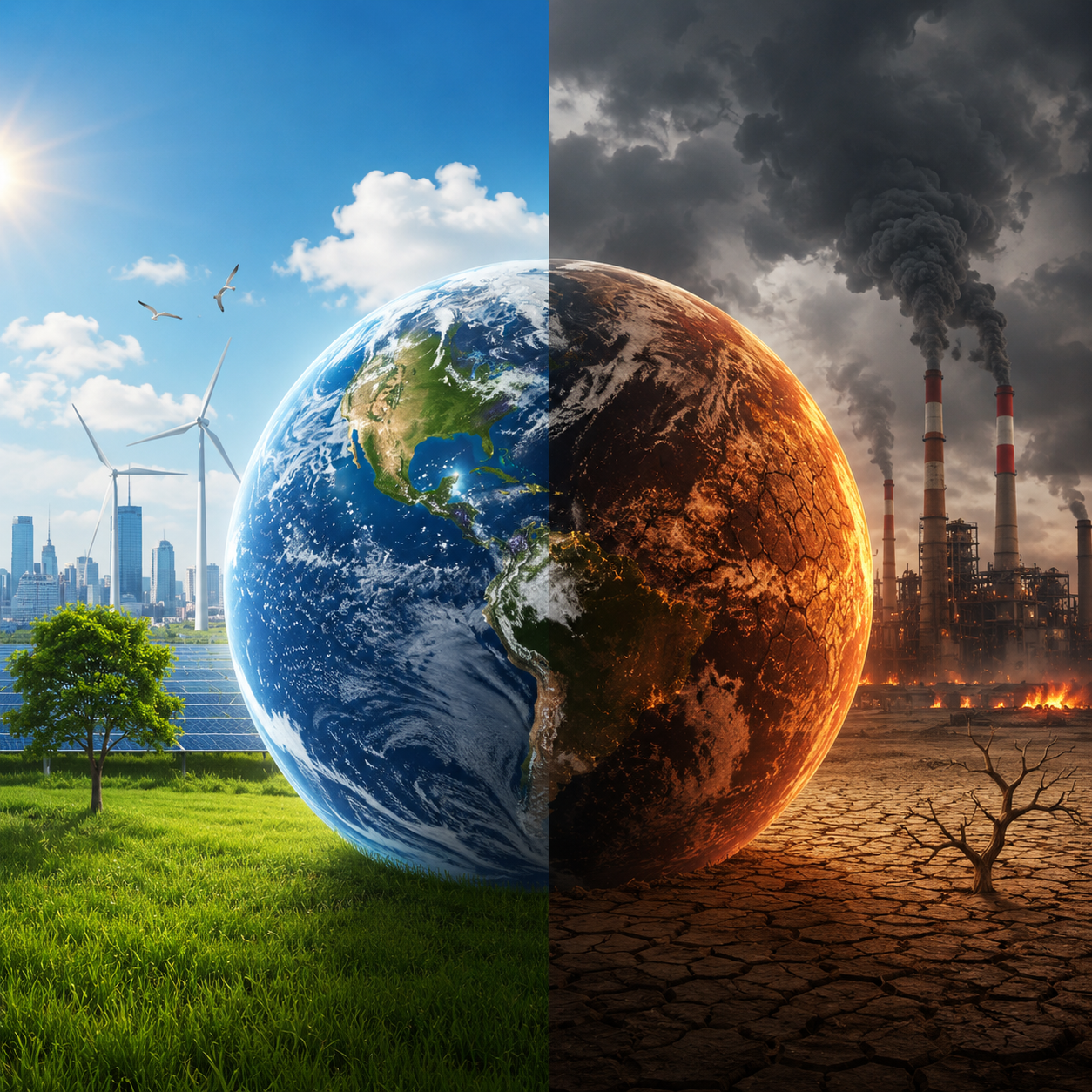
Climate change is one of the most significant global challenges, affecting economic, social, and environmental stability. In response, the international community has established a collaborative framework under the Paris Agreement to limit the increase in global average temperature to no more than 1.5°C above pre-industrial levels through greenhouse gas emissions reduction and enhanced climate resilience. This approach is aligned with both international and national sustainable development agendas, including Nationally Determined Contributions (NDCs), the transition toward carbon neutrality, and the promotion of energy efficiency and clean technologies. These efforts are closely linked to Sustainable Development Goals (SDGs), particularly SDG 7 (Affordable and Clean Energy), SDG 12 (Responsible Consumption and Production), and SDG 13 (Climate Action).
Risk, Opportunity, and Impact Assessment
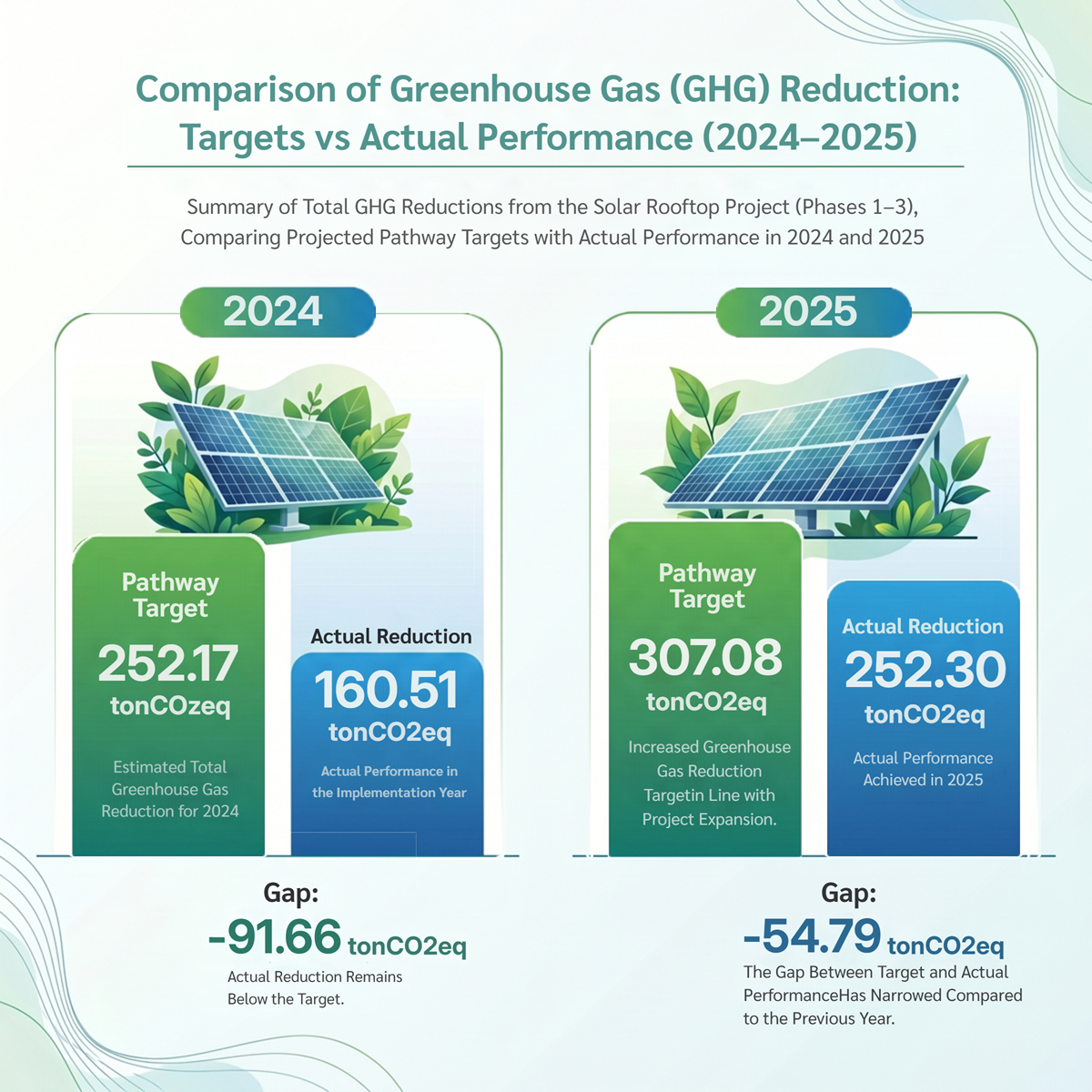
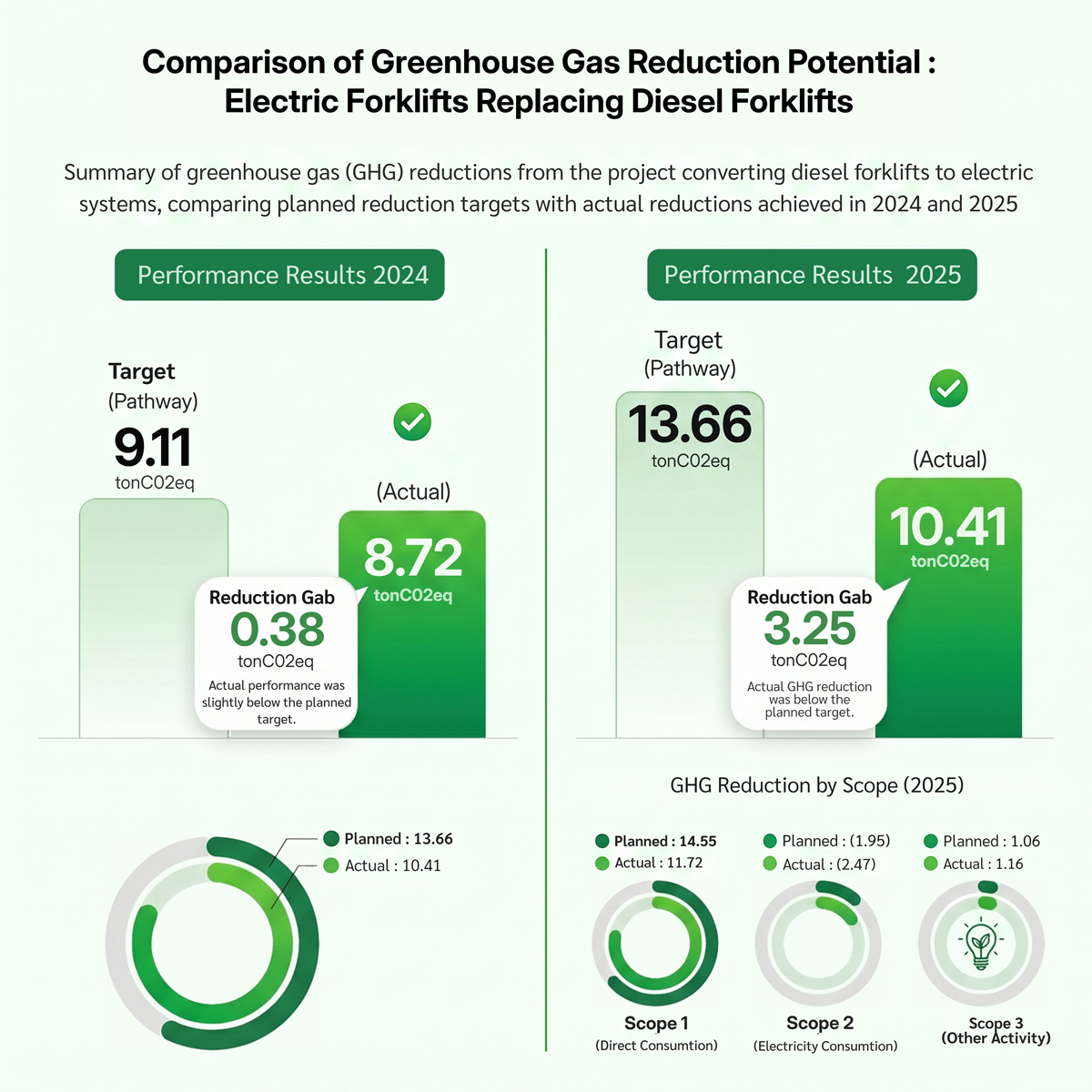
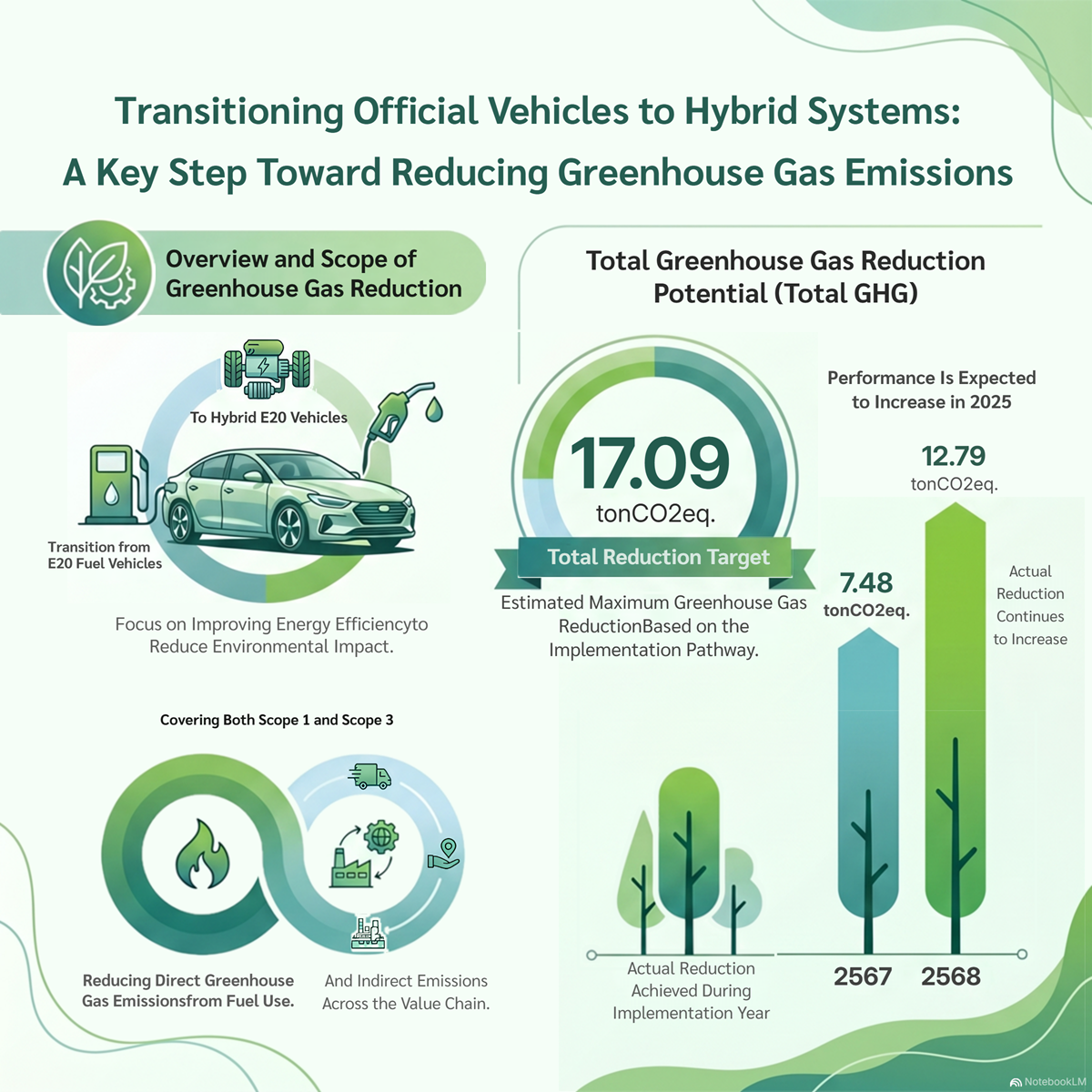
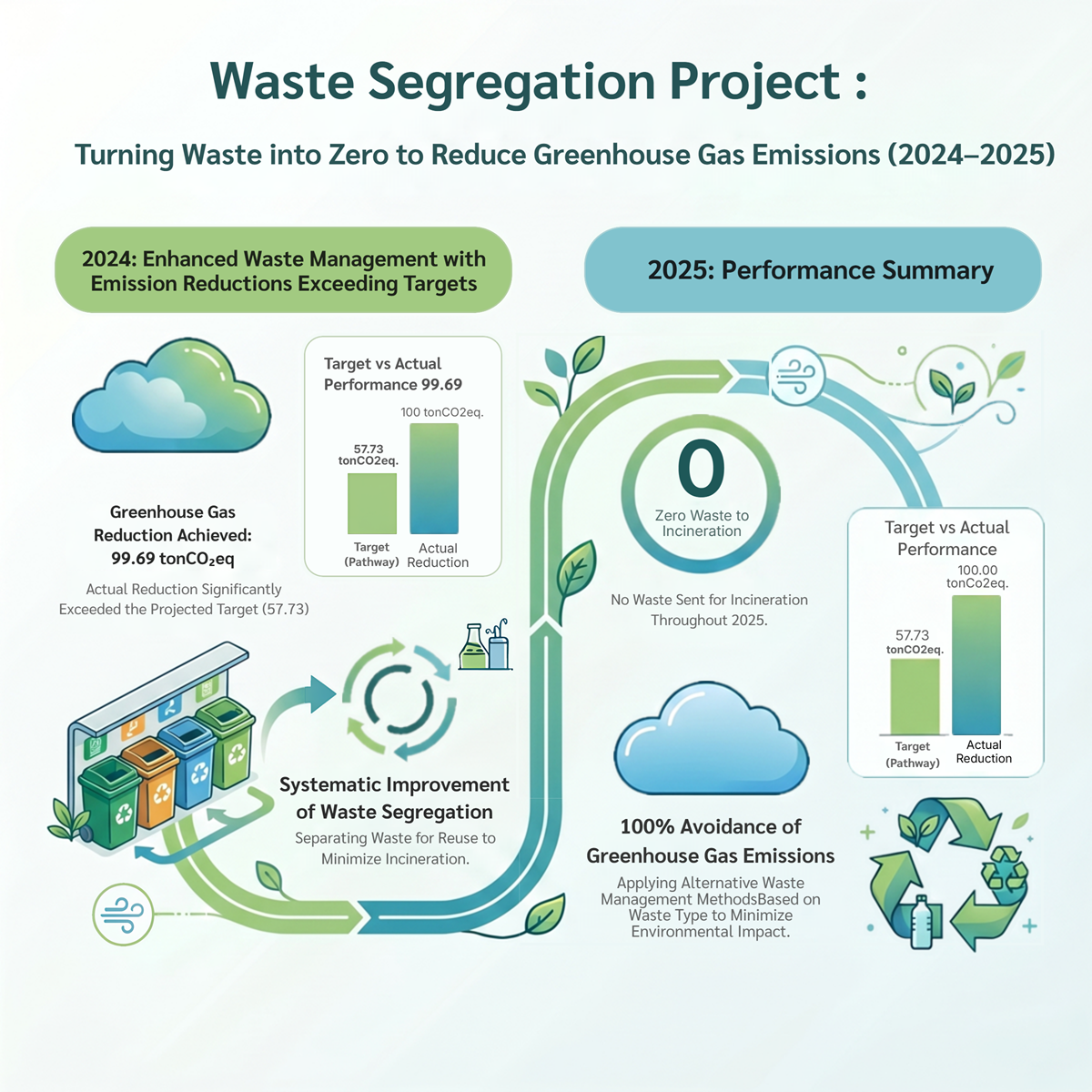
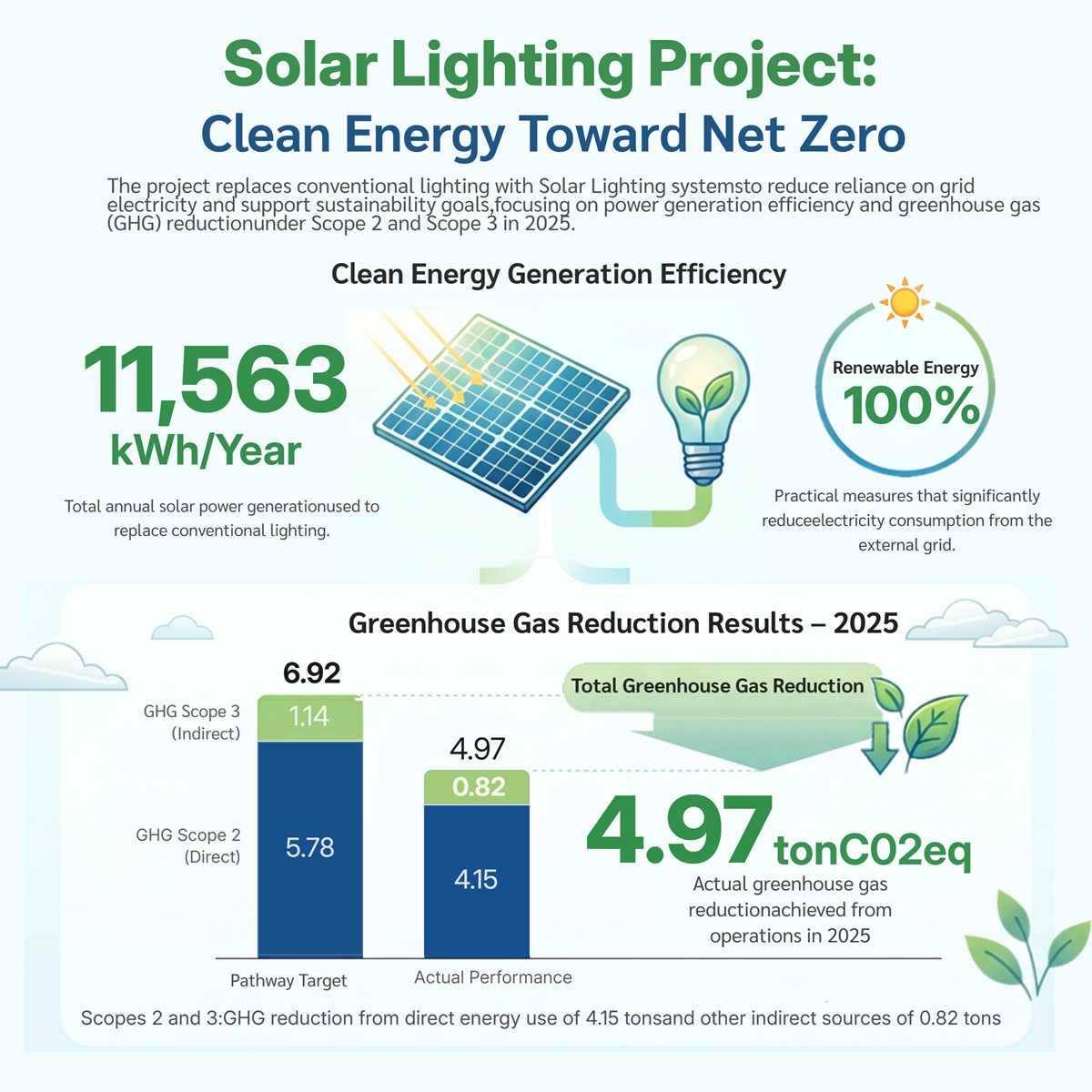
Greenhouse Gas Emissions Reduction Actions
The company places importance on reducing greenhouse gas emissions and conducting business in alignment with the goals of the Paris Agreement. It has established a 5-year Pathway to Net Zero plan to achieve Carbon Neutrality and Net Zero Emissions by supporting resources, personnel, and systematic measures to reduce or remove greenhouse gases. The company aims to reduce greenhouse gas emissions in Scopes 1, 2, and 3 by 21% by 2028, compared to the 2022 base year, and targets achieving Carbon Neutrality by 2036 and Net Zero by 2050.
Greenhouse Gas Emissions Reduction Projects
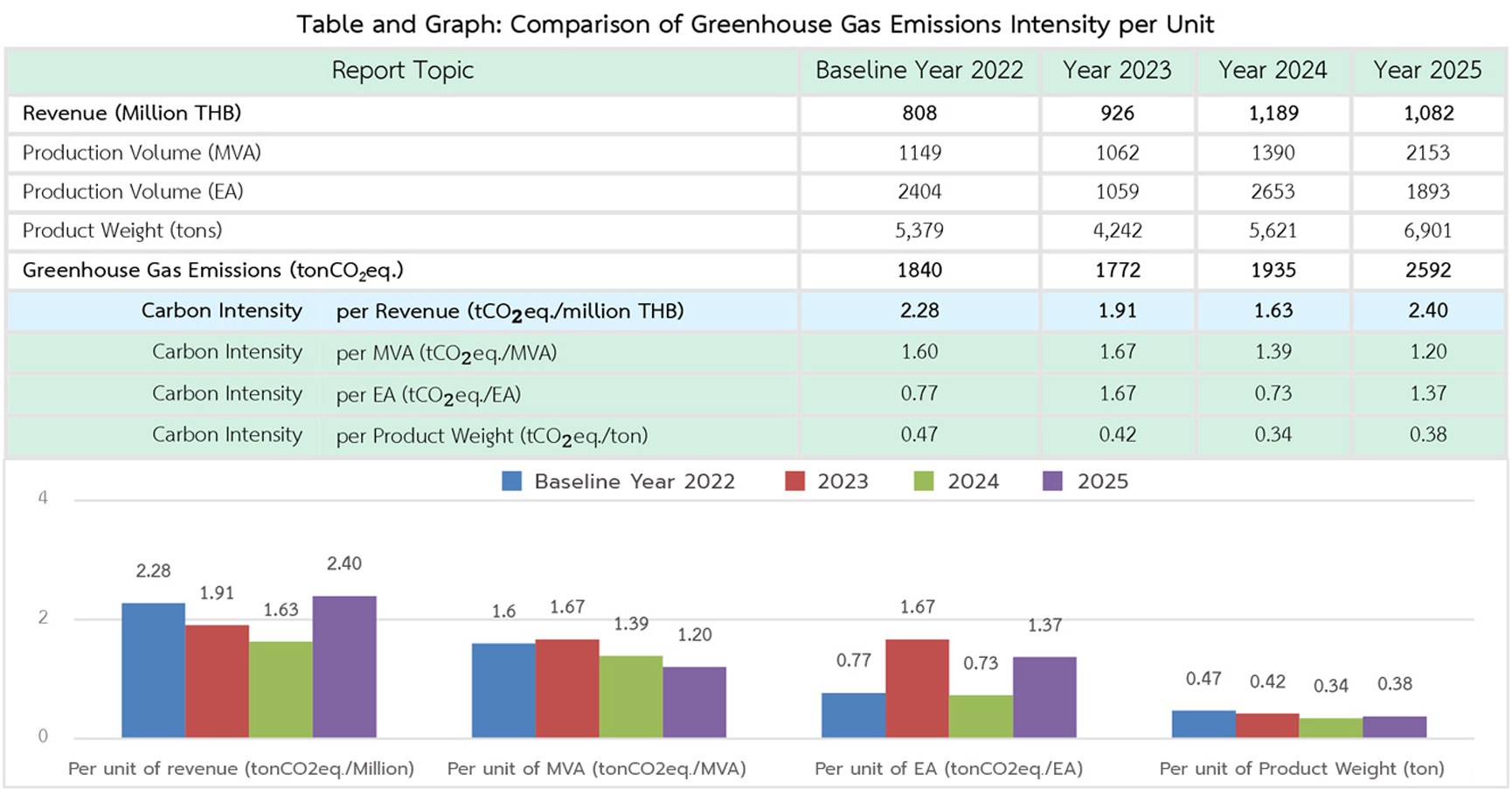
Carbon Intensity per Unit
A comparison of carbon intensity from the base year 2022 to 2025 shows that the company’s overall production efficiency has improved in several aspects, although total greenhouse gas emissions in 2025 increased in line with production expansion.
Carbon intensity per unit of power capacity (MVA) decreased continuously from 1.60 tonCO₂eq./MVA in the base year to 1.20 tonCO₂eq./MVA in 2025, reflecting more efficient use of resources and energy in production. At the same time, carbon intensity per unit of product weight decreased from 0.47 to 0.38 tonCO₂eq./ton, indicating better control of production processes compared to the increased level of output.
However, carbon intensity per unit of revenue in 2025 increased compared to the previous year, reflecting changes in the revenue structure and operating costs. The company will use this analysis as supporting information for planning and systematically determining approaches to reduce carbon intensity in the future..

QTC Energy Public Company Limited recognizes that the efficient use of natural resources is a fundamental pillar of sustainable development in the energy industry. Amid the challenges posed by climate change, industrial expansion, and increasing stakeholder expectations, the Company places strong emphasis on resource management throughout its operations. Particular attention is given to the use of electricity, raw materials, water, and fuel, which are key resources in the production of transformers and the solar energy business operations of its subsidiaries.
Risk, Opportunity, and Impact Assessment


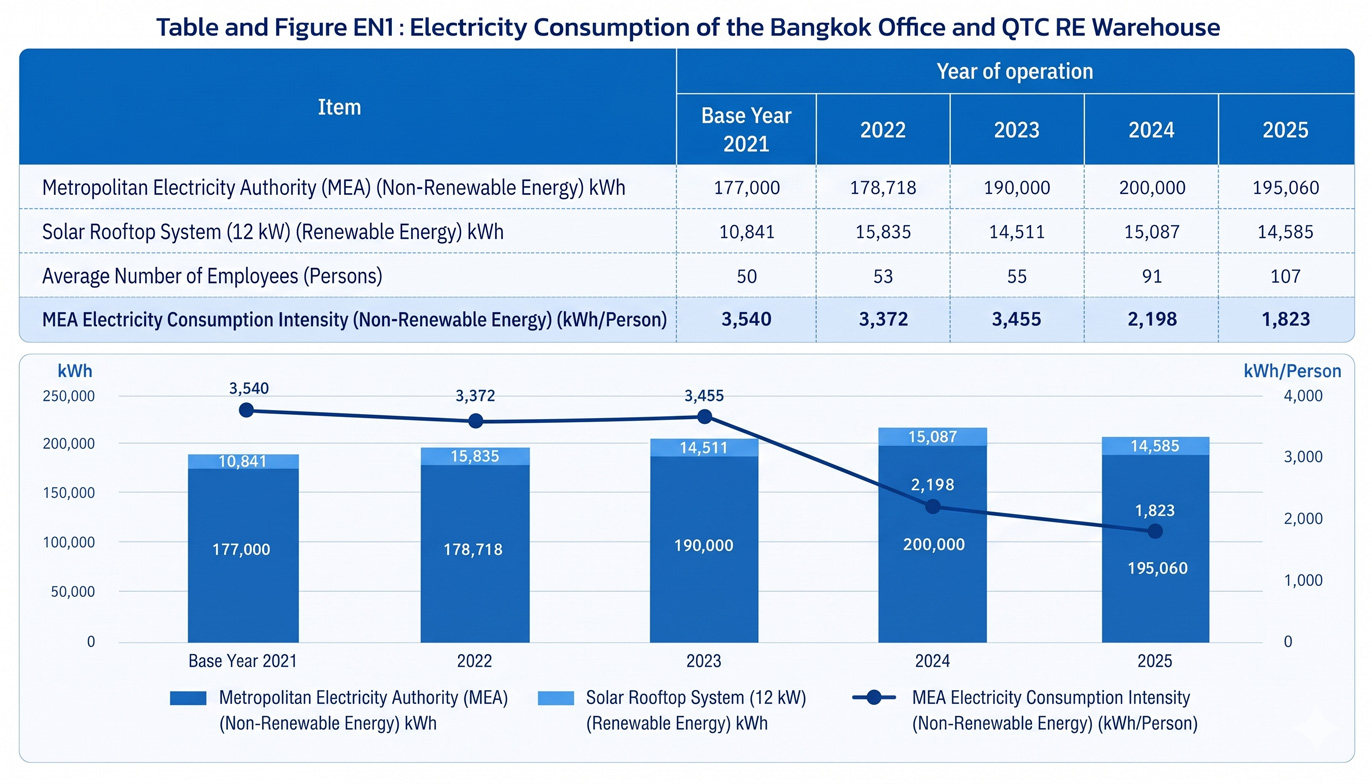
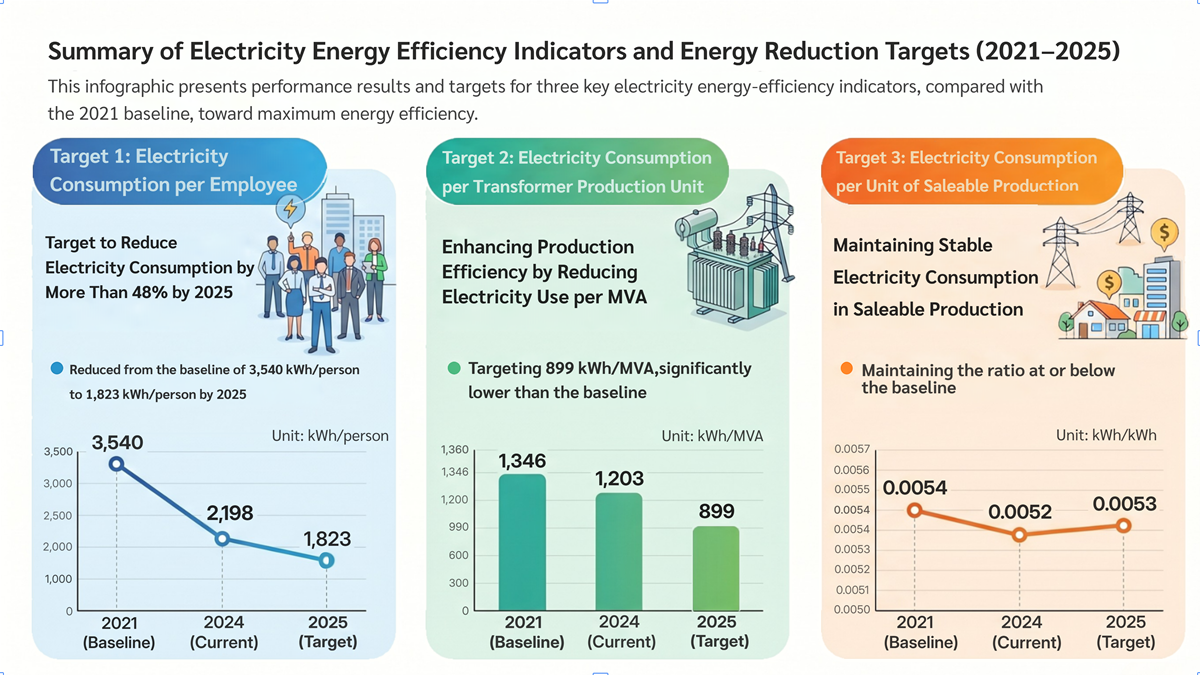
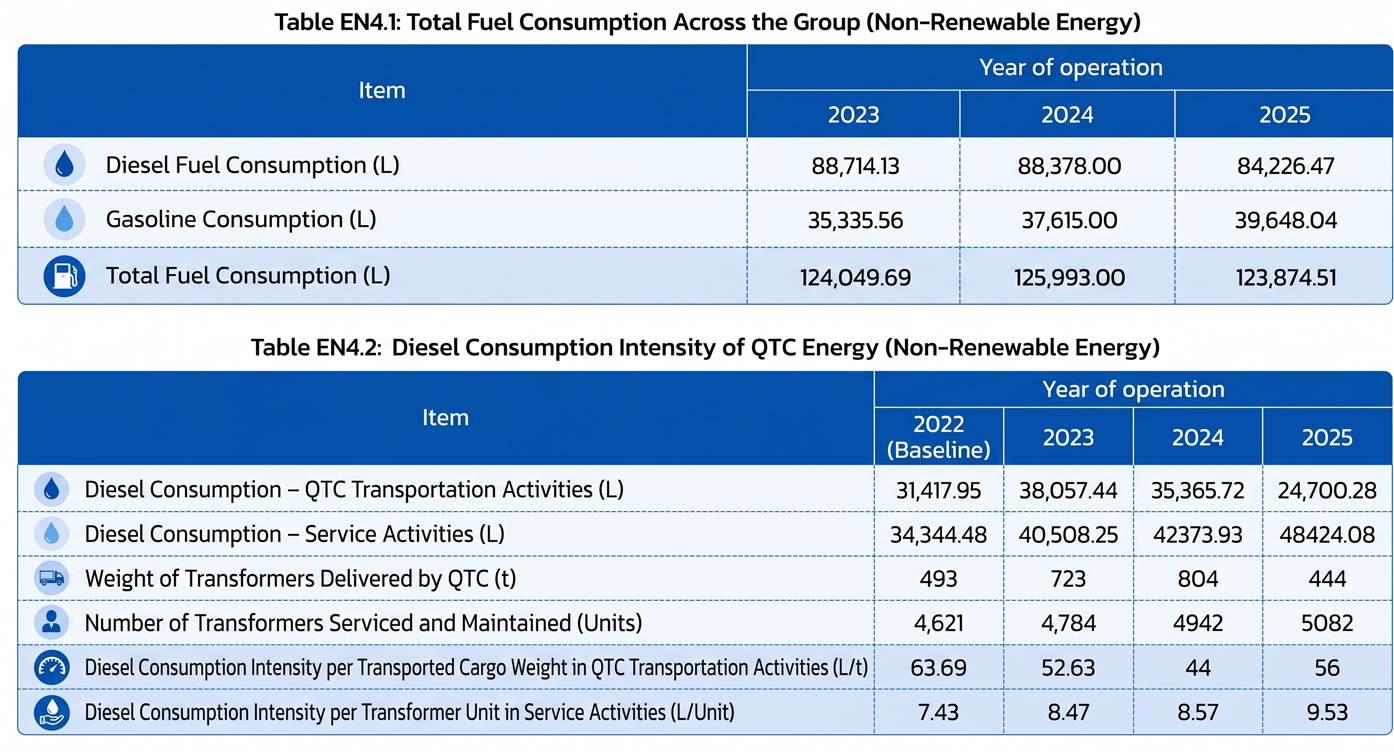
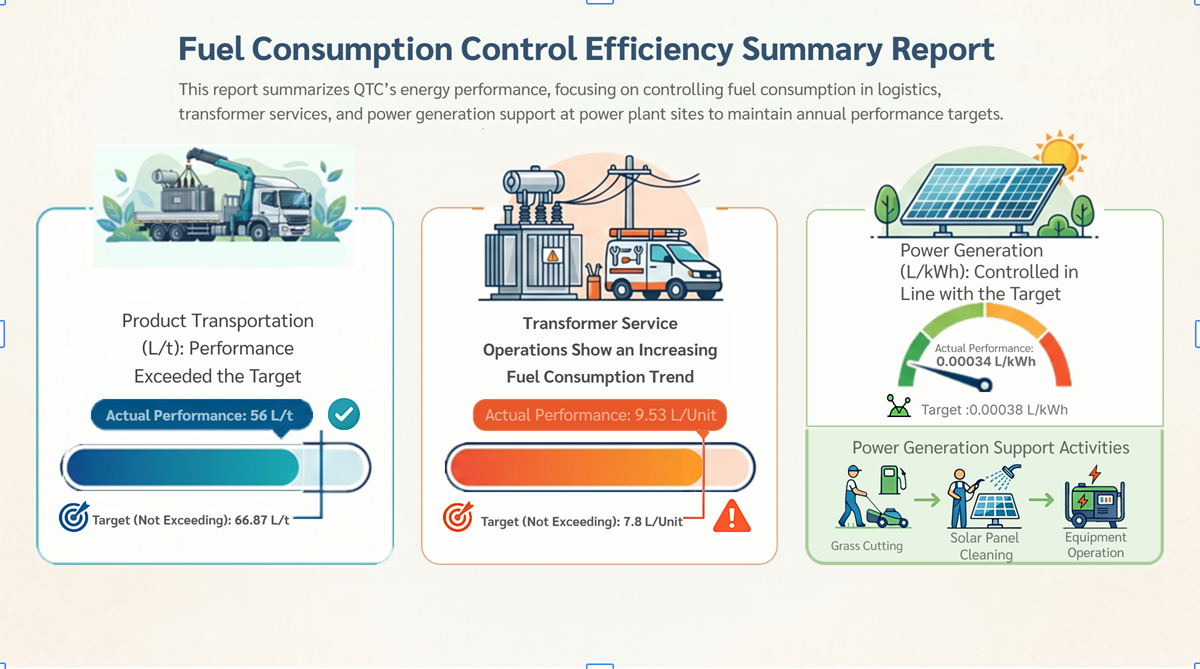
Energy Consumption